Is remote or hybrid work changing the way you think about home? You are not alone. Across the San Francisco Peninsula, many buyers now put a dedicated office, reliable internet, and usable outdoor space at the top of their list, while weighing Caltrain proximity differently than before. In this guide, you’ll learn how those shifts play out across local neighborhoods, what to prioritize as a buyer, and how to position your property as a seller. Let’s dive in.
How remote work changed demand
Hybrid work has reduced daily commutes for many knowledge workers. That makes day‑to‑day living, focus time, and outdoor breaks at home more important. It also changes how you value trade‑offs between walkable, station‑adjacent living and larger lots in car‑oriented areas.
Dedicated office space
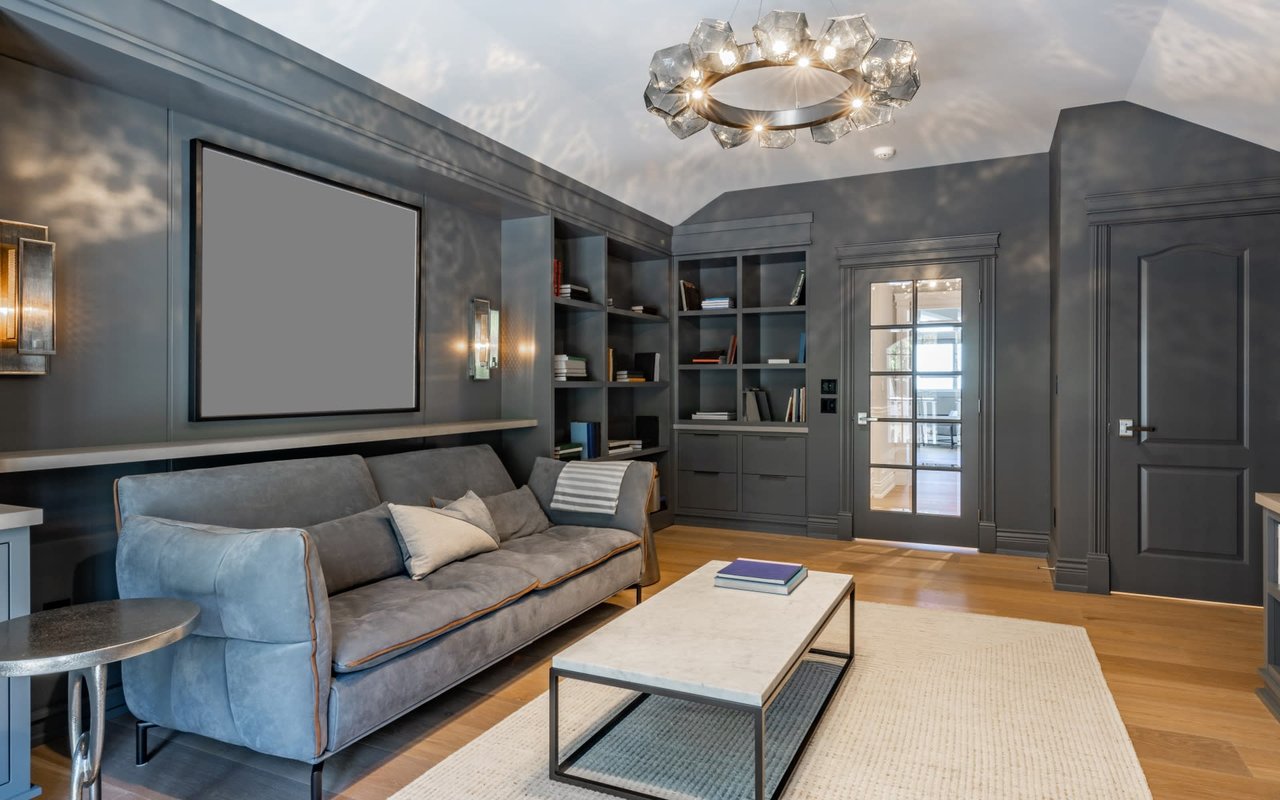
Many buyers now look for a quiet room with a door, good light, and enough space for monitors, storage, and video calls. Extra bedrooms, dens, or furnished lofts that convert easily are popular. A clear office setup can make a home feel more functional from day one.
Outdoor living that works
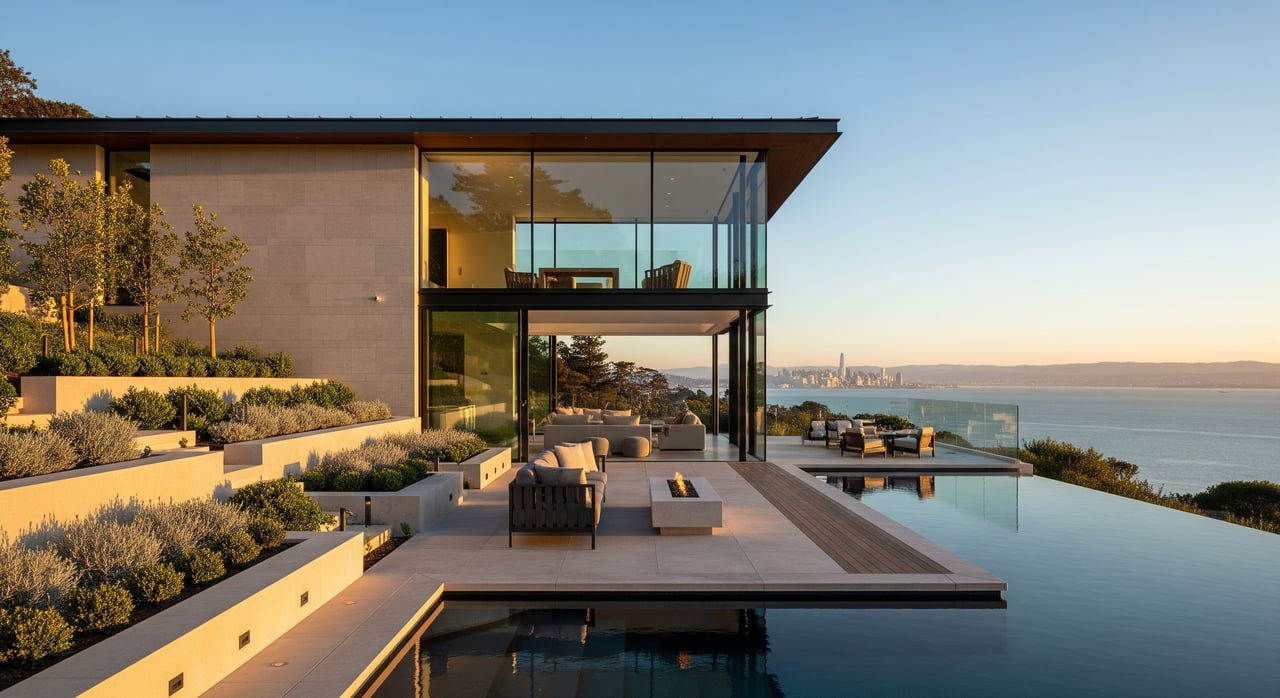
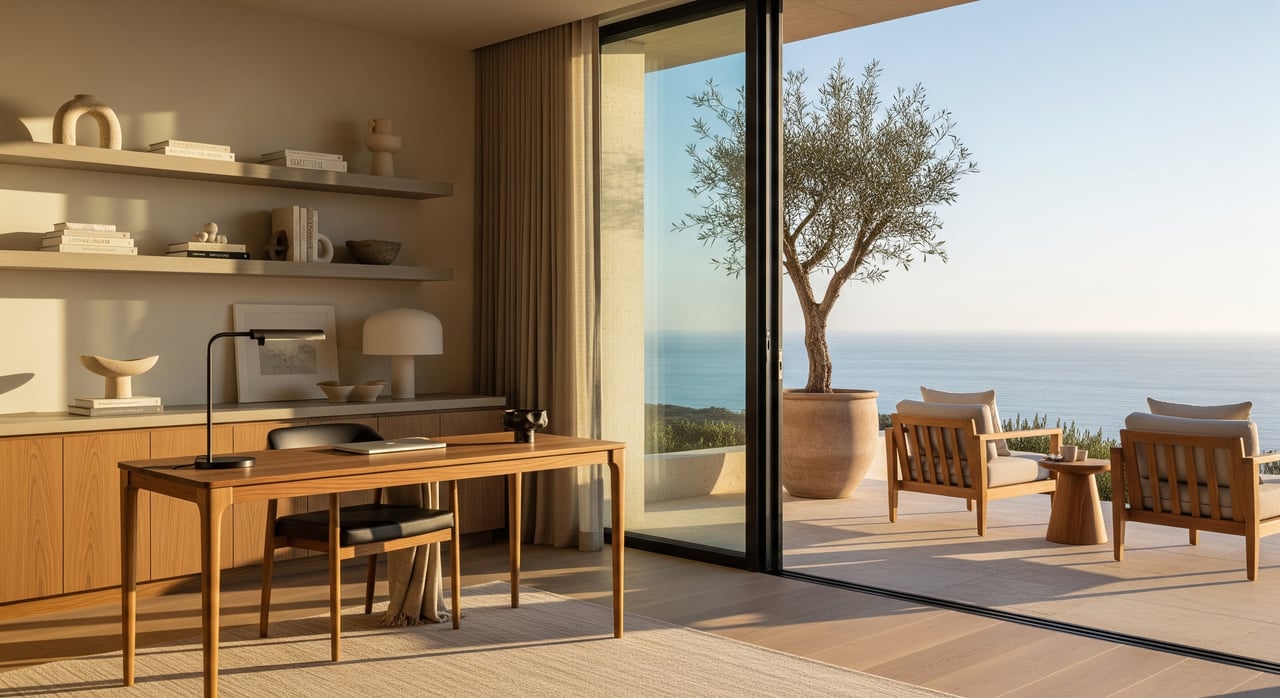
Usable outdoor space is viewed as part of the living and working layout. Patios, decks, and yards where you can step out between meetings, garden, or set up a small table for laptop work add daily quality of life. Covered areas help you use the space year‑round.
Connectivity and backup
Buyers often ask about wired broadband options, router locations, and cellular coverage. Clear documentation of internet providers and speeds can reduce friction. For some households, a backup plan like strong cellular service matters for meeting reliability.
Flexible spaces and ADUs
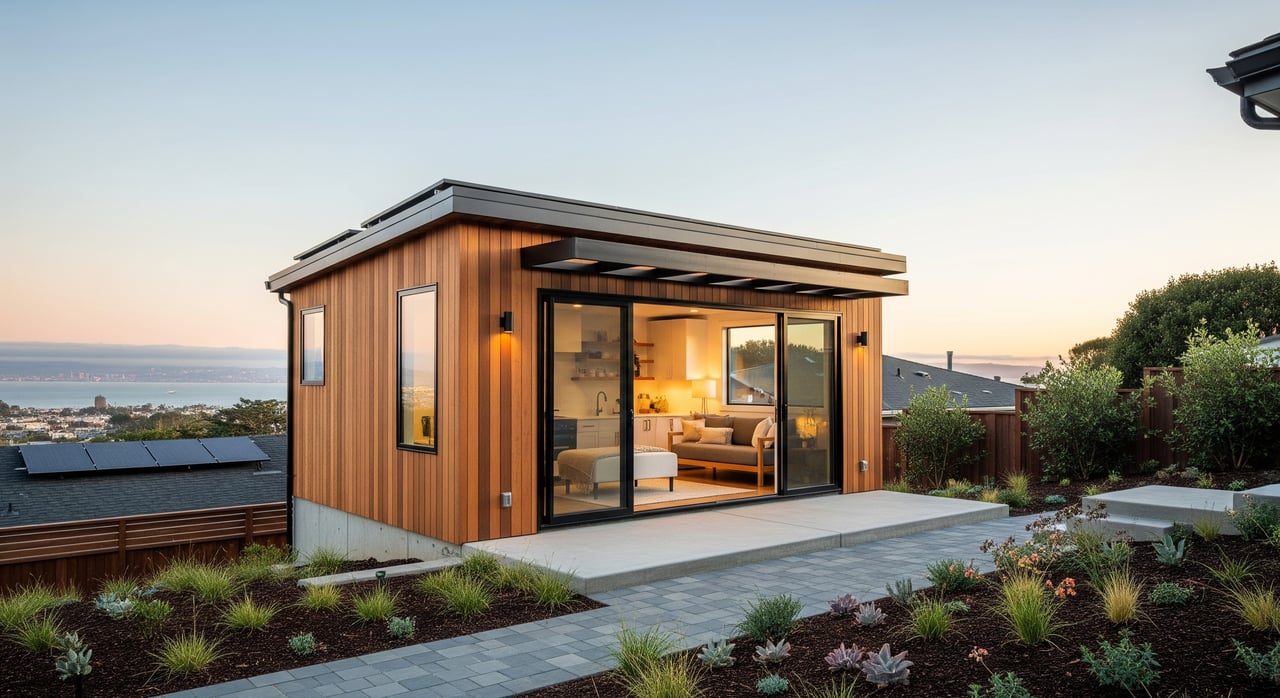
Accessory dwelling units are drawing interest as dedicated offices, guest spaces, or potential income units. State rules have made ADUs more feasible in many cities, but timelines and fees still vary locally. If you cannot add an ADU, a finished garage or studio can offer similar flexibility.
Caltrain vs freeway trade‑offs
The Peninsula centers on two mobility patterns: Caltrain stations and the US‑101/I‑280 corridors. Hybrid work reduces commute frequency, which can shift your priorities.
- Transit‑oriented buyers tend to keep a premium on walkability and station access for the weekly office trip.
- Space‑oriented buyers prioritize a dedicated office, quiet streets, and larger yards, and accept more driving.
- Hybrid compromise buyers look for smaller single‑family homes or townhomes near mid‑Peninsula nodes that blend office space with occasional rail access.
Micro‑market snapshots
Palo Alto and Menlo Park
Near Caltrain and active downtowns, many central neighborhoods offer shorter first‑ and last‑mile connections. If you still commute several days a month, this access can be valuable. If you want more office or yard space, look to single‑family blocks just outside the busiest cores or consider nearby low‑density areas at a price premium.
Redwood City and downtown San Mateo
Recent redevelopment near stations has added condos and townhomes with efficient layouts. These locations suit a hybrid rhythm: a dedicated interior office and easy train access for in‑office days. The trade‑off is smaller private yards in exchange for walkability and dining.
Burlingame and central Peninsula neighborhoods
You’ll find a mix of single‑family homes with yards plus some station access. Many buyers accept a slightly longer trip to Caltrain in exchange for more outdoor space and flexible interior rooms. Sellers here can lean into functional yards and office‑ready rooms.
Foster City, Belmont, and San Carlos
These areas offer strong US‑101 access and a more suburban feel. If you value space, parking, and private outdoor areas, this corridor can be a fit. Buyers who commute occasionally often drive or use park‑and‑ride options when needed.
Los Altos, Woodside, and Portola Valley
Large lots and privacy define these towns. They appeal to households that are mostly remote and want one or more full‑time offices with separation from living areas. The trade‑off is limited rail proximity, offset by short drives to I‑280 or US‑101.
What buyers want now
Office essentials
- A room with a door, natural light, and sound separation
- Ample outlets, space for two monitors, and storage
- Documented wired internet options and a good cellular signal
Outdoor must‑haves
- A usable patio, deck, balcony, or yard for breaks and play
- Some weather protection for year‑round use
- Simple paths for outdoor dining or a small work table
Connectivity details
- Gigabit‑capable wired broadband where available
- Ethernet drops or a central location for a router and mesh nodes
- Backup power for key devices if you rely on uptime
Flexibility and ADUs
- Options to convert a den, loft, or bedroom into a quiet office
- Feasibility of building or upgrading an ADU for long‑term flexibility
- Awareness that permitting, fees, and design review vary by city
Seller playbook for hybrid‑work buyers
Stage a real office
- Present one clear room as an office with proper desk, lighting, and seating
- Show wired connectivity or note it in disclosures and marketing
- Highlight quiet, natural light, and any views or greenery
Elevate outdoor usability
- Clean and stage patios or decks with simple furniture
- Note sun exposure, dimensions, and weather protection
- Add planters or lighting to help buyers see daily use
Document infrastructure
- List available internet providers and typical speeds
- Identify any fiber availability or recent electrical upgrades
- Share permits for past improvements, including ADUs or office build‑outs
Position the location clearly
- If near Caltrain, include walking time to the station and bike options
- If car‑oriented, note freeway access and typical drive times to major job nodes and SFO
- Clarify parking, storage, and bike space for multi‑modal commutes
A simple buyer checklist
- How many in‑office days per month do you expect over the next year?
- Do you need a private dedicated office, or will a convertible space work?
- What is the minimum outdoor space you’ll use weekly: balcony, small yard, or larger lot?
- Do you prefer Caltrain and walkability, or are you comfortable driving most days?
- What internet speed and reliability do you need for multiple video calls?
- Will you benefit from an ADU or studio for long‑term flexibility?
Local policy and infrastructure notes
State changes have made ADUs easier in many cities, but local processes and costs still differ by jurisdiction. Transit services continue to adjust schedules, so verify the current timetable and station parking options that match your routine. Broadband options vary block by block, so check service at the address level rather than relying on neighborhood assumptions.
Making your next move
Hybrid work is here to stay in some form, which means the best Peninsula home is the one that supports your weekly rhythm. If you expect occasional in‑office days, living near a Caltrain node can be worth a smaller yard. If you are mostly remote, a quiet office, strong connectivity, and outdoor living may matter more than transit adjacency.
If you want help weighing trade‑offs and positioning your next purchase or sale, connect with a local, hands‑on advisor. Debbie Lamica offers staging, vendor coordination, video‑first marketing, and neighborhood‑level guidance so you can move forward with clarity.
FAQs
How is hybrid work changing Peninsula home features?
- Buyers often prioritize a dedicated office, reliable broadband, and usable outdoor space, and they value flexible rooms that can adapt over time.
Should I prioritize Caltrain access if I commute twice a week?
- If you commute 8–10 or more days per month, proximity to Caltrain can be a strong advantage; otherwise, you may trade some access for more space.
What should sellers highlight to appeal to remote workers?
- Stage one clear office, document internet options, and show outdoor areas as functional living space with simple, inviting setups.
Are ADUs practical as home offices on the Peninsula?
- Yes, many households use ADUs as dedicated offices, but feasibility, timing, and costs vary by city, so confirm local requirements before starting.
How do I compare Redwood City vs Burlingame for hybrid work?
- Redwood City offers more station‑area condos and walkability, while Burlingame offers more single‑family homes with yards; your commute rhythm and space needs decide.
How can I verify internet options before I buy?
- Check providers and speed tiers by address, confirm wiring inside the home, and test cellular signal in likely office rooms during a showing.